November 20, 2026
Heating and cooling systems play an important role in maintaining comfortable indoor environments throughout the year. Whether keeping a home warm during winter or providing relief from summer heat, HVAC equipment works hard to maintain consistent temperatures. However, like any mechanical system, heating and cooling equipment requires regular attention to operate reliably. Waiting until something breaks before scheduling maintenance can lead to unnecessary expenses, uncomfortable indoor conditions, and potentially dangerous situations.
Proactive maintenance focuses on identifying potential problems before they become serious. Through routine inspections, cleaning, and necessary adjustments, homeowners and business owners can keep their equipment operating efficiently while avoiding preventable breakdowns. Scheduling professional HVAC services also provides an opportunity to evaluate system performance, address developing concerns, and maintain healthier indoor environments. From reducing energy consumption to extending equipment lifespan, preventative care offers several advantages that make it a worthwhile investment.
What Are the Core Benefits of Regularly Scheduled HVAC Services?
One of the biggest advantages of routine maintenance is improved system reliability. Heating and cooling equipment contains numerous moving parts, electrical connections, filters, and mechanical components that experience wear over time. Without regular attention, small problems can gradually interfere with performance and eventually cause equipment failures.
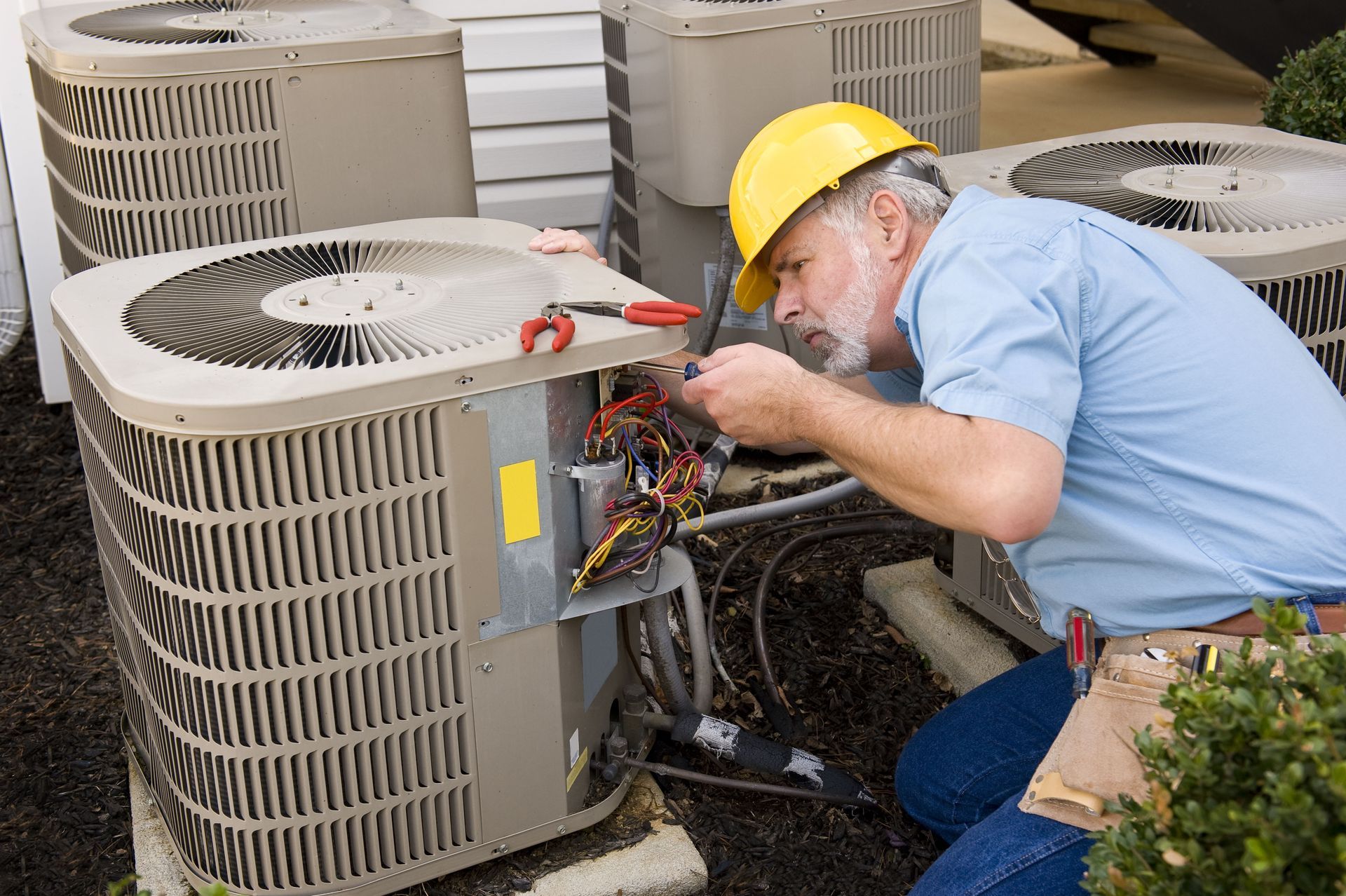
Scheduled inspections allow technicians to examine these components, identify developing concerns, and make necessary adjustments. Cleaning coils, checking refrigerant levels, tightening electrical connections, and inspecting motors can help prevent minor issues from becoming expensive repairs. These tasks also help ensure that equipment operates according to manufacturer recommendations.
Another important benefit is an extended equipment lifespan. HVAC systems represent a significant investment, and replacing them prematurely can place considerable financial pressure on property owners. When equipment operates with dirty components or unnecessary mechanical strain, individual parts may wear out faster. Regular HVAC services help reduce that strain by keeping systems clean, properly adjusted, and functioning as intended.
How Do HVAC Services Reduce Energy Consumption?
Energy efficiency is another major reason to prioritize preventative maintenance. Heating and cooling systems account for a substantial portion of household energy consumption, meaning even modest improvements in performance can contribute to noticeable utility savings.
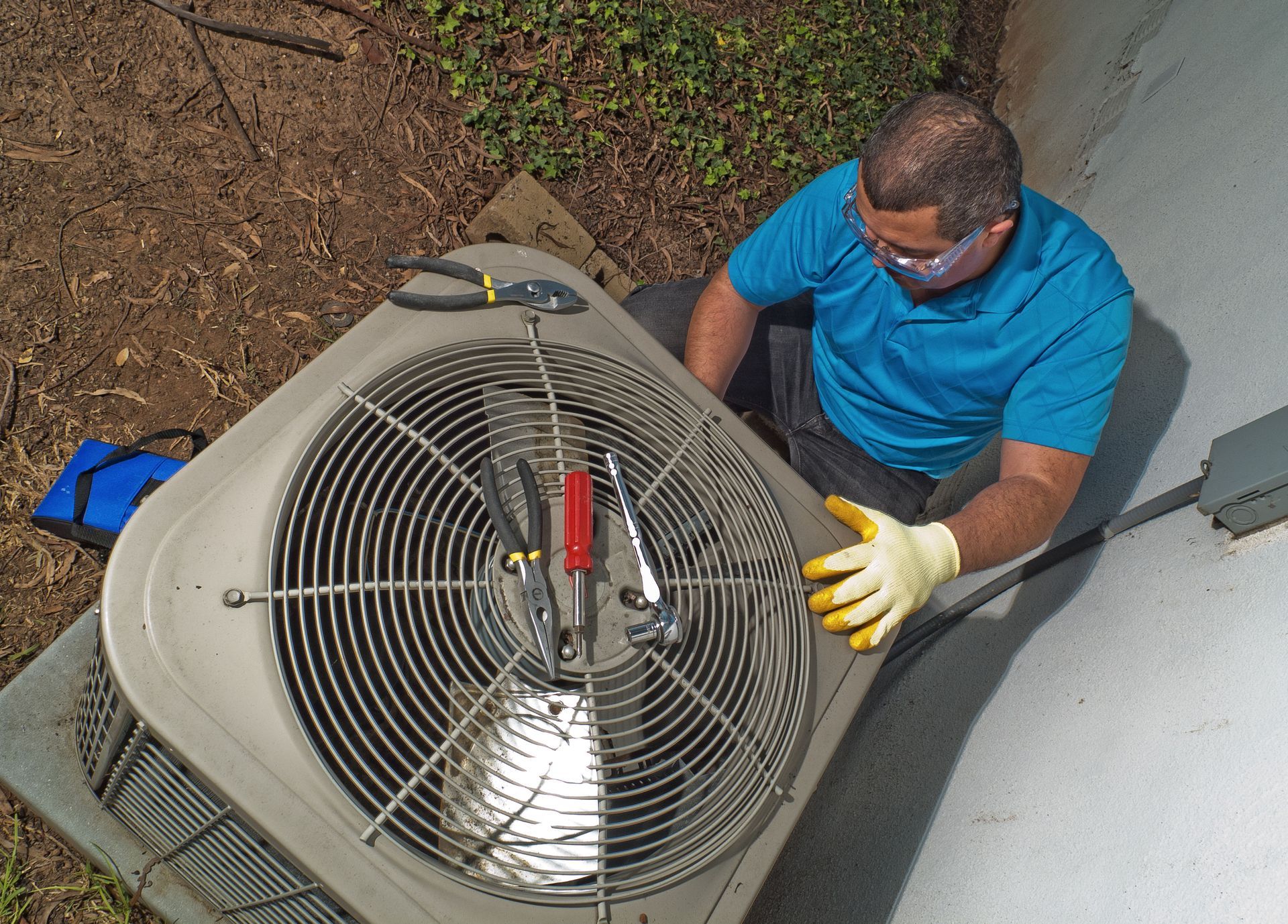
Over time, dirt and debris accumulate inside HVAC equipment. Outdoor condenser coils can become covered with dust, leaves, and other contaminants, while indoor evaporator coils may collect dirt that interferes with heat transfer. When these components become obstructed, systems must work harder to achieve the desired indoor temperature. That additional workload can increase electricity consumption and place unnecessary stress on mechanical components.
Professional HVAC services address these problems through inspections and appropriate cleaning procedures. Technicians can also check airflow, inspect ductwork, replace or clean filters, and evaluate thermostat settings. These adjustments help equipment distribute conditioned air more effectively without running longer than necessary.
Homeowners should also understand that an air conditioner has practical temperature limitations. According to This Old House, most air conditioning units can efficiently lower indoor temperatures by a maximum of approximately 20 degrees compared with outdoor temperatures. Expecting equipment to exceed that difference can result in extended operating cycles and unnecessary energy consumption.
Can Proactive HVAC Maintenance Improve Indoor Air Quality?
Indoor air quality is an important consideration for anyone concerned about maintaining a healthy living or working environment. Dust, pollen, pet dander, and other airborne particles can accumulate indoors, particularly when buildings remain closed during extreme temperatures. HVAC systems help manage these contaminants by circulating air through filtration equipment.
However, filters cannot perform effectively when they become excessively dirty or clogged. Restricted airflow can reduce filtration performance and allow equipment to circulate less effectively. Depending on the system and filtration setup, neglected components may also contribute to unpleasant odors and the accumulation of contaminants.
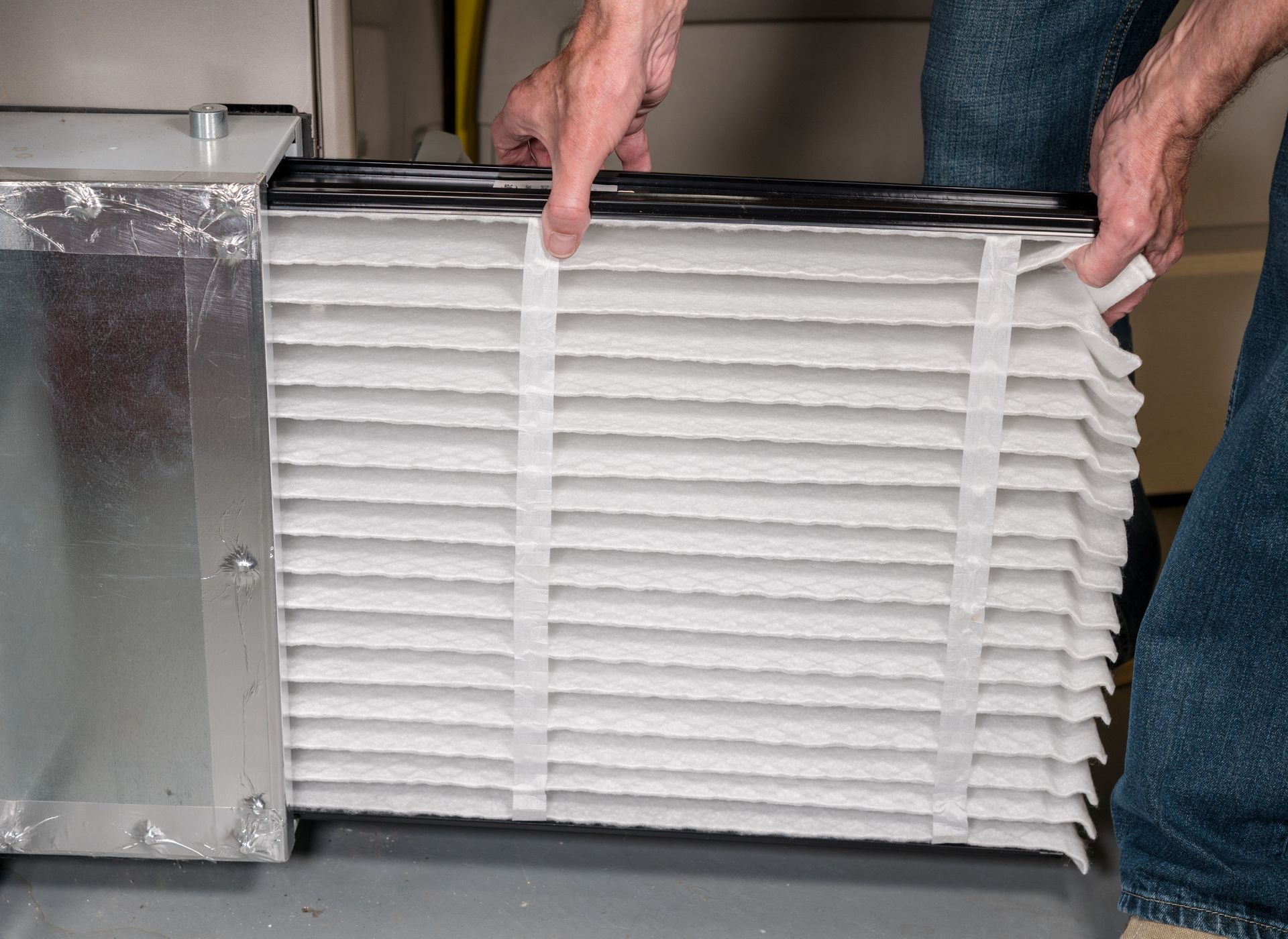
Regular filter replacement is one of the simplest ways to support better indoor air quality. The appropriate replacement schedule depends on filter type, household conditions, and manufacturer recommendations. Homes with pets, significant dust, or higher occupancy may require more frequent attention.
Professional HVAC services can address additional indoor air quality concerns by inspecting ductwork, cleaning accessible components when appropriate, and checking condensate drainage systems. Technicians can also identify moisture problems that might contribute to mold growth around equipment or inside poorly maintained areas.
Proper humidity control is another important consideration. Excessive indoor moisture can encourage mold development, while overly dry conditions may contribute to discomfort. Maintaining equipment helps ensure that heating and cooling systems manage indoor temperatures and humidity as effectively as their design allows.
How Does Preventive Maintenance Minimize Repair Costs?
Unexpected HVAC repairs can be expensive, especially when equipment fails during periods of heavy use. A malfunctioning furnace in January or an air conditioner that stops working during a summer heat wave can quickly become more than an inconvenience. Preventative maintenance helps reduce these situations by identifying potential problems before they develop into major equipment failures.
For example, a technician might discover a worn belt, loose electrical connection, restricted condensate drain, or unusual motor noise during a routine inspection. These problems may be relatively inexpensive to address when identified early. However, allowing them to continue could result in additional damage to surrounding components.
Refrigerant issues provide another example. A system operating with insufficient refrigerant may struggle to cool a building effectively. Rather than simply adding more refrigerant, a qualified technician should investigate potential leaks and address the underlying problem. Ignoring the issue can contribute to poor performance and additional equipment strain.
Routine HVAC services also provide property owners with a better understanding of their equipment's overall condition. Technicians can explain which components require immediate attention, which may need replacement in the future, and whether operating performance has changed.
What Role Does HVAC Maintenance Play in Ensuring Home Safety?
Heating and cooling systems involve electricity, combustion, moving mechanical components, and, in some cases, combustible fuels. Although modern equipment includes safety mechanisms, neglected systems can still develop problems that create potentially dangerous conditions.
Furnaces that burn natural gas or propane require particular attention. Cracked heat exchangers, improper ventilation, and combustion problems can create carbon monoxide risks. This colorless, odorless gas is especially dangerous because occupants may not recognize its presence without a functioning carbon monoxide detector.
Professional
HVAC services help reduce these risks by allowing qualified technicians to inspect combustion equipment, examine ventilation systems, and evaluate safety controls. If a technician identifies a potentially dangerous condition, the equipment can be shut down until the necessary repairs are completed.
Electrical safety is another important consideration. Loose wiring, damaged insulation, overheating components, and deteriorating connections can create fire hazards. During maintenance visits, technicians can inspect electrical connections and identify signs of excessive heat or component deterioration.
Drainage problems also deserve attention. Air conditioning systems produce condensation during normal operation, and blocked drain lines can cause water to accumulate around equipment. Depending on the installation, this moisture may damage surrounding materials or contribute to mold growth.
Property owners can support these preventative measures by keeping outdoor equipment clear of vegetation, maintaining accessible areas around furnaces, replacing filters regularly, and testing smoke and carbon monoxide detectors.
Proactive HVAC maintenance offers considerably more than an opportunity to keep heating and cooling equipment running. It helps property owners control energy expenses, improve indoor air quality, reduce repair costs, and protect their investments. Regular inspections also provide an important layer of protection against mechanical and safety problems that might otherwise go unnoticed. If you need HVAC services, reach out to the team at Tunge Heating and Cooling LLC today!